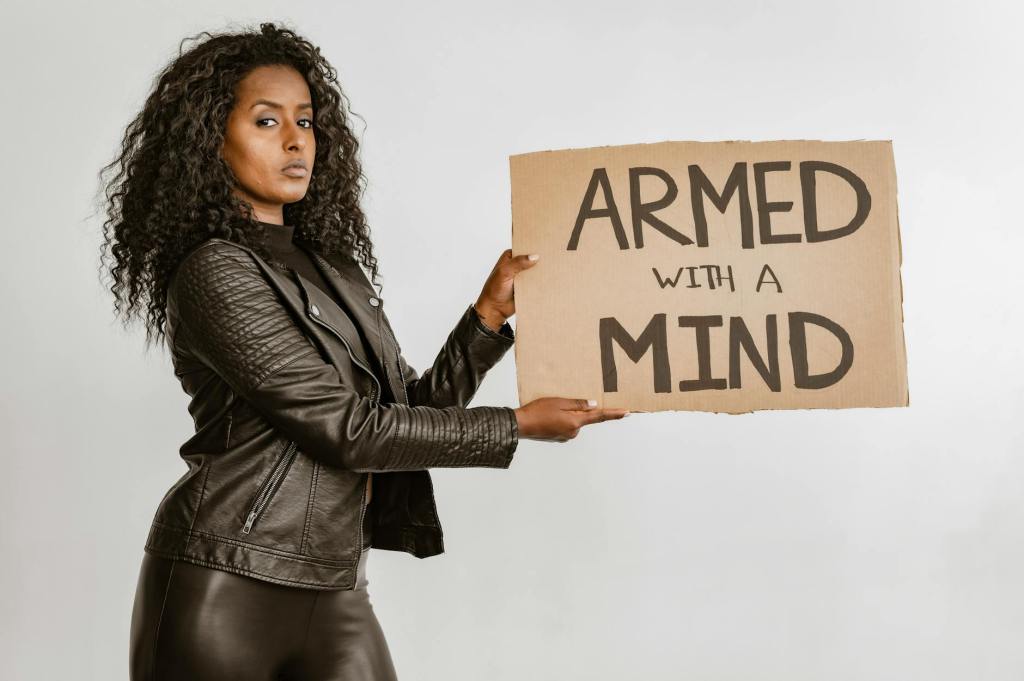
Biohacking, Psycho-Hacking, and the Decolonization of Health: How DIY Medicine Became a Tool of Liberation
Throughout history, marginalized communities have pioneered DIY medicine as a means of survival, empowerment, and resistance against exclusionary medical systems. Before biohacking became a 21st-century Silicon Valley phenomenon, enslaved African healers in the Americas (1500s-1800s) developed herbal remedies and healing practices outside colonial medical systems, while Indigenous medicine practitioners maintained traditional healing knowledge for millennia despite colonial suppression. Women herbalists in Europe and Asia (Middle Ages through 19th century) similarly preserved medical knowledge when institutional medicine excluded them. Figures like Harriet Tubman (1822-1913), who used herbal remedies to aid escapees on the Underground Railroad (1850s-1860s), and Dr. Susan La Flesche Picotte (1865-1915), the first Indigenous woman to earn a medical degree in the U.S. (1889), navigated and challenged colonial medicine to provide care for their people. The Black Panther Party’s free medical clinics (1966-1982) and the ACT UP movement’s early grassroots research on HIV/AIDS treatments (1980s) exemplify more recent DIY medical activism. These histories remind us that DIY medicine is not new—it has long been a tool of liberation for those denied access to mainstream healthcare.
In an era where healthcare systems are both highly advanced and deeply exclusionary, patients across diverse backgrounds are reclaiming agency over their own bodies and minds. DIY medicine—ranging from biohacking to psycho-hacking—has emerged as a means of self-empowerment in the face of systemic neglect, medical gaslighting, and colonial legacies of dehumanization. This movement is not just about technological intervention but a profound shift in how we understand autonomy, healing, and resistance.
Yet this empowerment carries contradictions: without intentional safeguards, DIY medicine risks replicating the very inequities it seeks to dismantle—whether through corporate co-optation, unequal access, or unaddressed safety risks. The path forward invites creative frameworks that might include, but are not limited to protecting marginalized innovators through community ownership models, democratizing tools via public infrastructure or cooperative systems, and negotiating safety protocols without stifling autonomy.
The Mainstream Patient: DIY as a Response to Medical Bureaucracy
For the average patient navigating an overstretched healthcare system, DIY medicine is often a response to inefficiency. Long wait times, insurance hurdles, and a paternalistic medical model push individuals toward personal solutions. Wearable health tech, self-tracking apps, and open-source medical devices offer people an unprecedented level of control over their own health data.
Some mainstream patients have taken it further by developing DIY insulin pumps, such as the OpenAPS project (2015), where diabetic patients modify existing insulin delivery systems to achieve better glucose control.
While these innovations may provide convenience, they also reflect the deeper issue of systemic failures—access to quality healthcare should not be a privilege reserved for those with technological literacy and financial means. To prevent DIY from becoming another inequity tier, potential pathways could involve publicly funded community labs as one way to democratize access, and open-source licensing with equity clauses among other possible tools to check corporate exploitation.
Patients with Rare Diseases: Hacking the System for Survival
For those with rare diseases, DIY medicine is often a necessity rather than a choice. Many conditions are under-researched, misdiagnosed, or outright dismissed by the medical establishment, leading patients to experiment with their own treatment protocols. Some form online communities where they crowdsource research, analyze their own genetic data, and even create homemade versions of expensive drugs. A well-known example is the “Right to Try” movement (U.S. law passed 2018), where terminally ill patients push for the legal right to access experimental treatments before regulatory approval.
Another case is the DIY development of N-of-1 trials, where patients design personalized studies to test potential therapies, such as ALS patients using modified gene-editing techniques to slow disease progression. These self-led interventions highlight both the ingenuity and desperation of patients abandoned by institutional medicine. These efforts highlight tensions that might be addressed through approaches such as peer-reviewed DIY protocols or alternative decentralized safety systems, and patent pools and other collective ownership structures to protect against corporate extraction.
Marginalized Patients: Decolonizing Health Through Self-Determination
For ethnically and gender-marginalized patients, DIY medicine is more than just an individual act of defiance—it is a political and cultural reclaiming of health sovereignty. Western medicine has a long history of medical violence against African descendants, Indigenous peoples, women, and queer individuals. From U.S. government-sanctioned unethical experiments (Tuskegee Syphilis Study 1932-1972) to forced sterilizations (20th century eugenics movements) and racialized pain bias (documented since the 1990s), institutional medicine has often served as an instrument of control rather than care.
As a result, many marginalized communities turn to biohacking and psycho-hacking through a decolonized lens. Some revive ancestral plant medicines and spiritual practices once deemed “primitive” by colonial science, integrating them with contemporary scientific knowledge. For example, Indigenous groups in the Amazon are leveraging AI-powered plant identification apps (developed since 2010) to protect traditional medicinal knowledge while ensuring ethical commercialization.
Similarly, trans communities have pioneered DIY hormone therapy networks (emerging in the 2000s) in response to medical gatekeeping, sharing dosing guides and sourcing medications collectively. Others engage in mental health hacking—rethinking psychiatric diagnoses that were historically weaponized against marginalized groups and developing self-directed healing frameworks rooted in cultural identity. Safeguarding these practices could draw from traditional knowledge licenses or analogous cultural protection frameworks, and community-held databases combined with peer-education networks to balance autonomy and safety.
The Regulatory, Legal, and Economic Landscape of DIY Medicine
While DIY medicine offers empowerment, it exists in a legal gray area. Patients modifying medical devices or producing their own treatments often run into regulatory hurdles, as healthcare laws are designed to prevent unlicensed medical practice rather than empower patient-led innovation. The OpenAPS movement, for example, has faced scrutiny over liability concerns since its inception, despite its success in improving diabetic care.
Financially, DIY medicine also raises questions of accessibility and economic disparity. Biohacking and custom-built medical devices can be expensive, limiting access to those with technical skills and financial resources. Crowdfunding has emerged as a critical tool for patients developing experimental treatments (particularly since 2010), yet it places the burden of survival on individual networks rather than systemic reform. Additionally, pharmaceutical companies and regulators often resist patient-led drug development efforts, as seen in conflicts over rare disease treatments where corporations hold exclusive patents that prevent DIY production. Navigating these barriers might involve experimenting with “sandbox” regulatory zones alongside community review boards, and solidarity economics models or other redistributive funding mechanisms.
Acknowledging and Remunerating DIY Medicine Pioneers
For patient innovators, economic systems must evolve to recognize and fairly compensate their contributions. Possible directions for economic recognition could include (without being exhaustive):
- Community-Owned Health Funds among other participatory funding models
- Decentralized Cooperatives or hybrid public-commons partnerships
- Ethical Licensing adapted flexibly across cultural contexts
- Public-Private Partnerships that maintain community control
- Universal Basic Health Dividends as one potential redistributive mechanism
How These Solutions Benefit Regulators, Industry, and Policymakers
By recognizing DIY medicine as a legitimate force for healthcare transformation, institutions can shift from opposition to collaboration, fostering an ecosystem where patients are both participants and leaders in shaping the future of medicine.
Regulators: By working with patient-led innovation networks, regulators can ensure safety while allowing flexible pathways for medical device modifications and personalized medicine. Open collaboration can reduce black-market medical solutions and increase patient compliance with safety standards.
Industry: Pharmaceutical and medical device companies can harness DIY innovations as a source of user-driven R&D. Partnering with patient biohacking communities can lead to product improvements and market differentiation while establishing fair compensation structures.
Policymakers: Encouraging decentralized health solutions can ease the burden on overstretched healthcare systems, particularly in regions with medical access disparities. Supporting community-led initiatives and equitable financial structures can improve public trust in health policy.
Power, Safety, and Equity: Principles Over Prescriptions
The promise of DIY medicine lies in redistributing power—but its evolution must resist one-size-fits-all solutions. Three flexible principles emerge:
- Anti-Exploitation: Communities might retain ownership through legal, technological, or cultural means appropriate to their context.
- Equitable Access: Democratization could occur via public infrastructure, cooperative networks, or cross-subsidy designs.
- Participatory Governance: Safety and autonomy may be balanced through community review boards, harm-reduction frameworks, or other locally determined methods.
By framing solutions as possibilities—not prescriptions—this movement can honor its diversity while advancing collective liberation. From Tubman’s herbal first aid to ACT UP’s treatment activism to today’s open-source gene therapies, this continuum of medical resistance reveals a fundamental truth: when systems fail the marginalized, the marginalized reinvent the systems. The question now is whether institutions will finally recognize these parallel legacies of care—and what medicine might become when we stop calling these solutions “alternative” and start recognizing them as foundational. A symbiotic relationship between patients and institutions is not only possible but necessary for a more just, inclusive, and effective healthcare system.

 Reappearance