World Cancer Day @Black History Month 2026 – How patient-expert collaboration at the margins has been the benefit of all.
Today, we stand at the intersection of World Cancer Day and Black History Month in the USA.
In this moment, I want to honor the patient–expert co-creation that has been unfolding at the margins of Western science for decades.
A truly multidimensional approach remains rare in Western science—a culture shaped by binaries: compliant vs. non-compliant when we speak about patients, success vs. failure when we speak about treatment, valid vs. invalid when we speak about methodologies, and so much more.
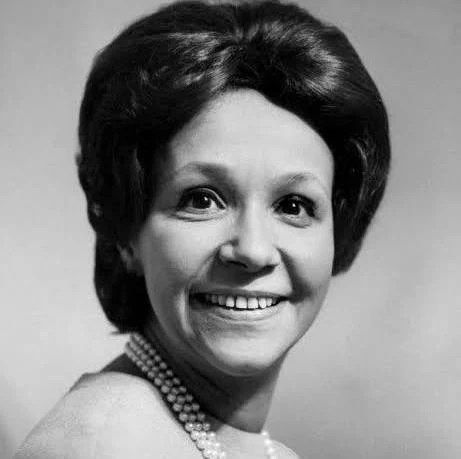
And yet, within this reductive culture, between the late 1940s and the 1960s, cancer researcher Jane Cooke Wright pioneered something radically different: adaptive, combination, patient-specific chemotherapy. She did so at a time when oncology itself was marginalized—when cancer was a death sentence for patients and a career dead end for scientists, far from the prestigious field it has since become.
Wright was described as modest and tender with her patients, while also deeply motivated and fearless in their care. When other physicians lacked the time or willingness to explore alternative treatments that might better serve a patient, Wright would always try.
Her patient-centered success would not have been possible without the collaborative relationships she cultivated with those she treated. The methodology she developed—rooted in listening, adaptation, and co-creation—has since become a foundation of modern oncology.
True patient-centric innovation is so often born in the shadows, in the realities that Western science has marginalized for centuries. And among those realities, none has been more silenced than the patients themselves. Until now…
Thank you to all the patient advocates for their courage and determination. Thank you to all the humble scientists who step back to be led by their lived-experience expertise. #PatientLedScientificRevolution

 Reappearance