Global health equity
-
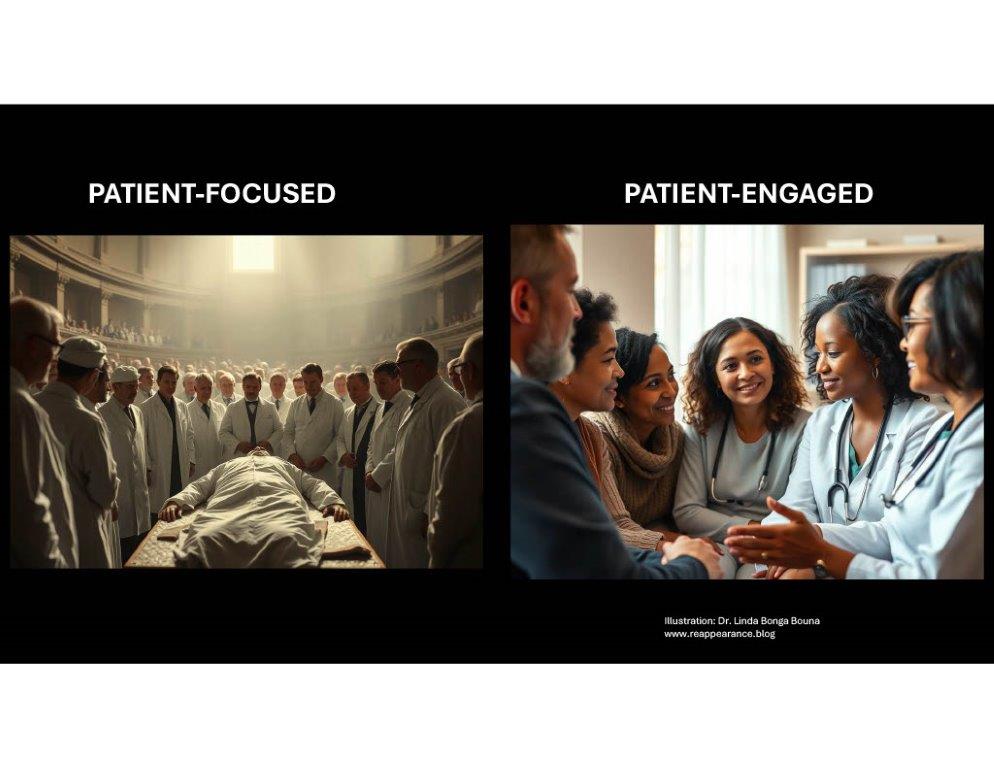
Food for thought: Moving Beyond “Patient-Focused” to “Patient-Engaged” Science
🧠 Food for thought: Moving Beyond “Patient-Focused” to “Patient-Engaged” Science 🔎 Patient-focused approaches, seen in the traditional top-down investigational model, can sometimes treat patients as subjects of care, missing the critical human element of shared decision-making and cultural context. 👥… Continue reading
-
🌍 International Mental Health Day: Centering Marginalized Voices in the Mental Health Conversation
Today, October 10th is International Mental Health Day. In 2024, the focus is on the workplace.I am grateful that my professional place provides mental health resources to support its dedicated workforce’s diverse experiences and needs. As an African descendant, Asian-raised… Continue reading

-
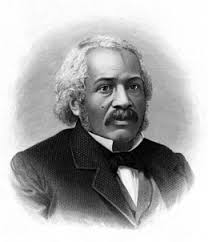
From expert-centric Western science to patient and authentic humanity’s self-empowerment: a thought-provoking journey. (Bonus Part 4)
Chapter 4: “If you are always trying to be normal, you will never know how amazing you can be.” – Maya Angelou. In 1837, during the golden age of the physician-scientist, ten years before Hungarian physician Ignaz Semmelweis proposed his… Continue reading
-
From expert-centric Western science to patient and authentic humanity’s self-empowerment: a thought-provoking journey. (Part 3)
The narrative explores the challenges of identity and the interconnectedness of humanity through the lens of personal and historical experiences of Black Americans and Africans. It emphasizes the importance of multidimensional perspectives over binary thinking, addressed issues of colonialism, and… Continue reading

-
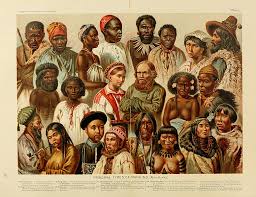
From expert-centric Western science to patient and authentic humanity’s self-empowerment: a thought-provoking journey. (Part 2)
Trigger warning: This content discusses the trauma of colonization. It includes descriptions of slavery and oppression, which may be distressing, especially for enslaved African descendants. Viewer discretion is advised. Chapter 2 “The Axe forgets; the tree remembers” – African proverb.… Continue reading
-
From expert-centric Western science to patient and authentic humanity’s self-empowerment: a thought-provoking journey. (Part 1)
The first chapter will delve into the overlooked intersection of expert-centric perception, ego, science’s race theory, eugenics, and European colonization seen from a human and patient-centric perspective. Continue reading

-
Science decoloniality 101: Dispelling the skin mythology of Western science’s magical thinking
The lack of critical thinking and cultural self-reflection in Western science knowledge about humankind is one of the most overlooked harms to patients. Skin cancer is a poignant example of how Eurocentric Western healthcare design feeds patient inequities through a… Continue reading

-
Western science’s magical thinking: another global patient experience.
Western science’s entrenched myths perpetuate magical thinking and biases. Personal experiences and professional expertise challenge misconceptions and advocate for inclusive, collaborative progress. Continue reading

-
Of Gods – part 1/2: An African introduction to India (Extract of the Reappearance, a multicultural historical memoir)
In this bold post, I share a different view of Indian culture influenced by my father’s teachings during my childhood in France. At eight years old, my eye-opening trip to Congo, my ancestral land, challenged the typical Eurocentric view of… Continue reading

-
Black History Month: celebrating the overlooked global contributions that advanced science and health equity
The post reflects on the impact of diverse perspectives in science and history. It highlights the need to include marginalized voices and acknowledges individuals who have challenged the status quo. The author’s personal experiences and cultural insights underscore the importance… Continue reading

 Reappearance