philosophy
-
The Myth of Scientific Neutrality: Institutional Amnesia and the Scheveningen Eugenic Conference of 1936 – Why does it resonate today?
Introduction: Eugenics as Colonial Violence—Why Its Legacy Demands Our Vigilance Now Eugenics—forged in the crucible of European colonialism by Francis Galton—was never neutral science. It was a weapon. Galton’s theories, born from observing racial hierarchies in British-occupied South Africa, weaponized… Continue reading

-
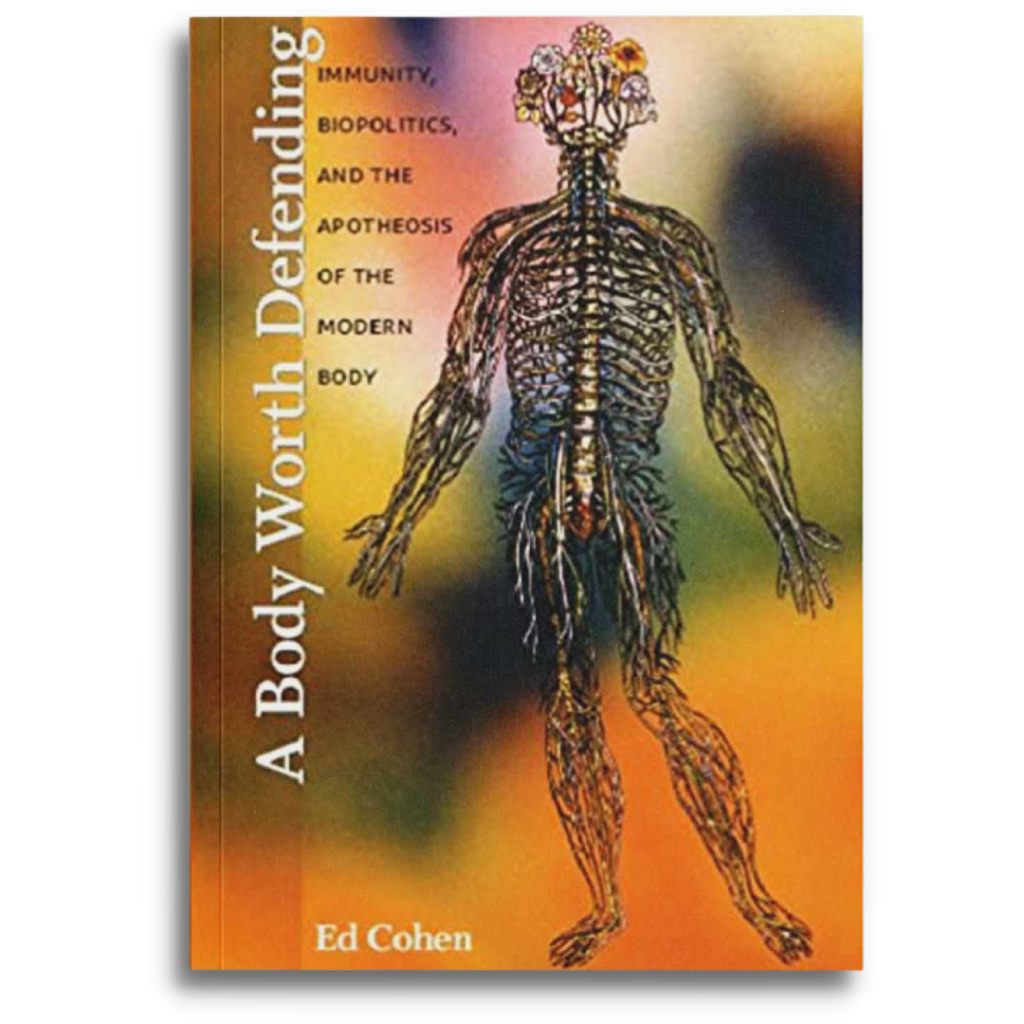
🌿 Summer of Unlearning Series: A Reading Series for Reimagining Healthcare – Week 2 – Ed Cohen’s A Body Worth Defending – What if our bodies aren’t battlefields?
Every Friday until summer vacation, I’ll share a book that cracks open the foundations of medical science—so you can build a liberatory reading list for the break. This series honors the artist-researchers with whom I collaborate as a science decolonization… Continue reading
-
A Quick Mental Health Guide: Surviving Institutional Gaslighting & Reclaiming Your Reality (Interaction with A Museum – Epilogue)
In April 2025, I critiqued Huis Marseille’s Revoir Paris exhibition for omitting the violent history of human zoos adjacent to photographed sites like the Jardin des Plantes. Their response—a verbose, performative non-reply—mirrored the institutional gaslighting marginalized communities endure daily. I… Continue reading

-
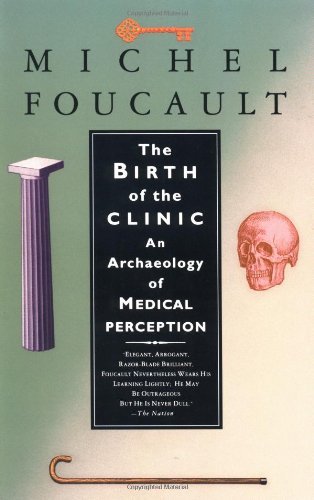
🌿 Summer of Unlearning: A Reading Series for Reimagining Healthcare – Week 1 – Michel Foucault’s The Birth of the Clinic: An Archaeology of Medical Perception.
Every Friday until summer vacation, I’ll share a book that cracks open the foundations of medical science so you can compile a reading list for the summer break. This series honors the artist-researchers with whom I collaborate as a science decolonization writer… Continue reading
-
Colonial Amnesia and the Psychology of Healing: A Call for Institutional Courage. (Interaction with A Museum – A hopeful dark chapter)
In the post “How the science of the past still haunts today’s culture“, I shared my reflections on Huis Marseille’s Revoir Paris exhibition, which omitted the violent history of ethnological exhibitions—human zoos—that Western science once framed as “progress.” Today, I return… Continue reading
-
From Subject to Patient Partner: Why I Became a Science Decolonization Writer
When I studied pharmaceutical science in the early 2000s, my professors taught me that patients were subjects in research. It was clinical, unquestioned, and, in hindsight, disturbingly normalized. The word “subject” implied submission. It implied that knowledge, control, and authority… Continue reading

-
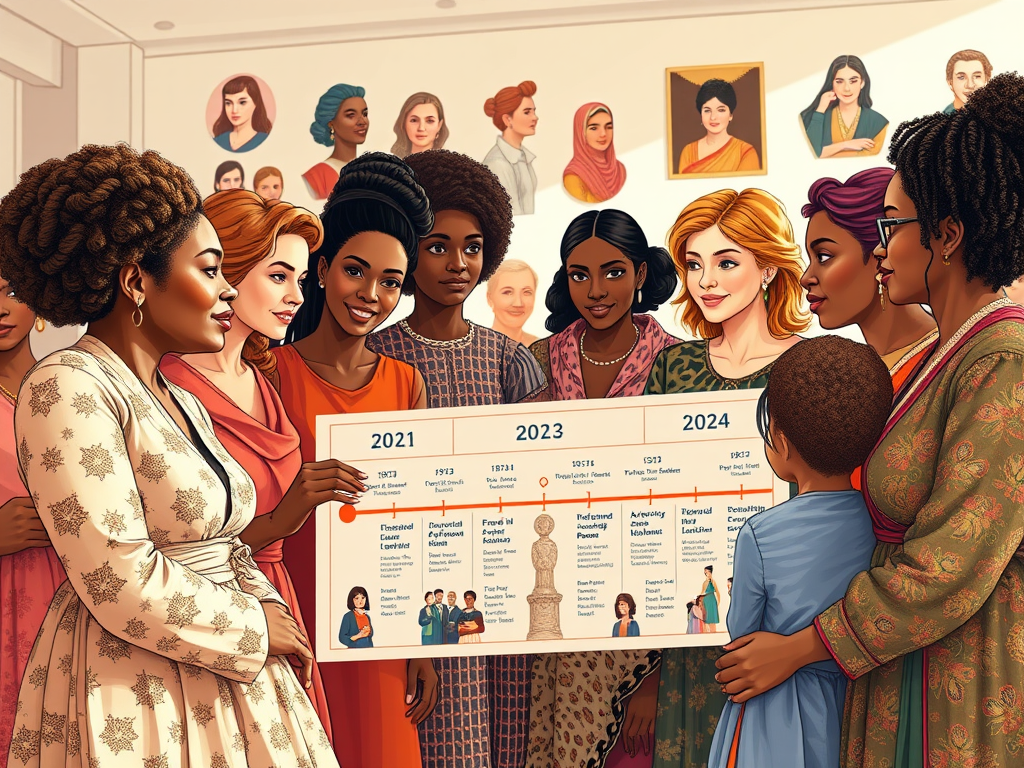
International Women’s Day 2025: food for thought.
Western feminism’s timeline explained to my 8-year-old African-Asian-European nephew: 1492 – Early 18th century – A handful of privileged European men gave themselves the right to rule the world and brutally shut the door behind them. Late 18th – Early… Continue reading
-
Black History Month: How radical Self-Care empowers All Patient Advocates.
What is Radical Self-Care? Radical self-care is more than a trendy buzzword; it is a transformative practice rooted in activism, resilience, and the fight for social justice. While the concept has gained widespread popularity in recent years, its origins lie… Continue reading

-
Decolonizing Science Through the Humanities: Healing Lessons from the Wereldmuseum – An insightful patient journey.
The artificial divide between the sciences and the humanities is often overstated, particularly when addressing colonial legacies. While science has traditionally focused on empirical inquiry, the humanities—especially museums and the arts—offer critical lessons in healing from the wounds of colonialism… Continue reading

-
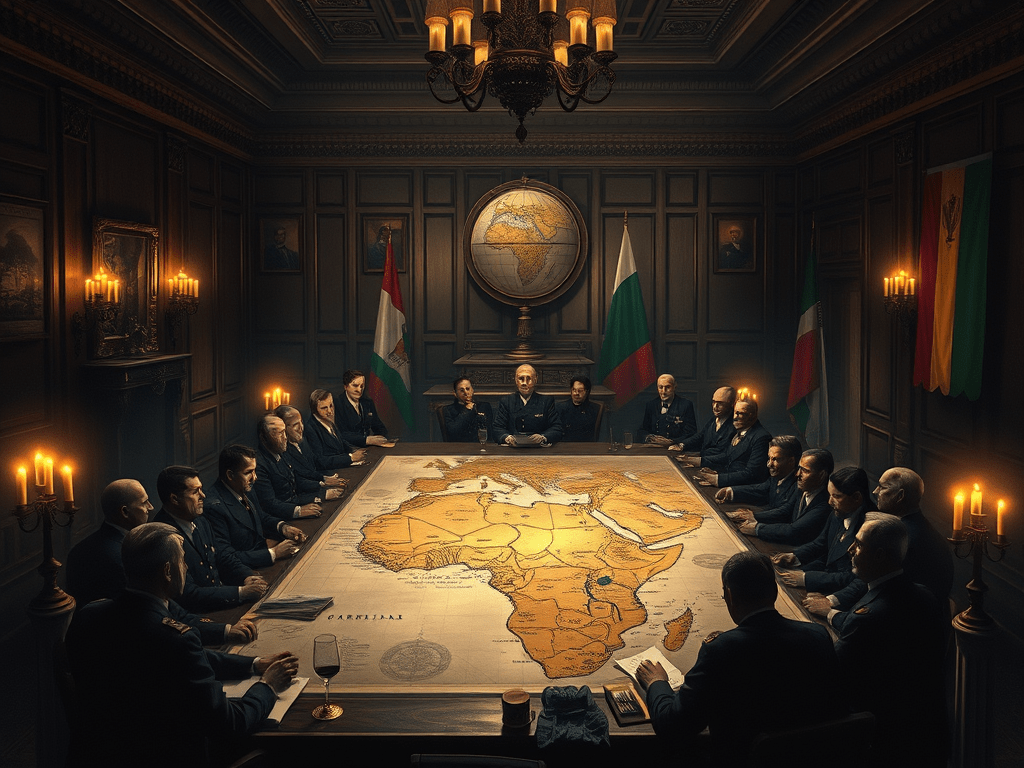
“Commemorating the Berlin Conference: Division, Exploitation, and Western Science’s Complicity — A Call for Transforming Global Healthcare”.
Today marks the anniversary of the Berlin Conference of 1884-1885, a pivotal event that shattered the sovereignty of the African continent in the continuation of a narcissistic enterprise that aimed to transform the world so it could reflect Europe’s grandiose… Continue reading
 Reappearance